
laminated glass tempered glass
Rebar Safety Chair Ensuring Safety in Construction Construction sites are inherently dangerous work environments, with numerous hazards that can pose a risk to workers. One often overlooked area of concern is the installation and positioning of reinforcing steel bars, or rebar. These metal bars are crucial for providing strength and stability to concrete structures, but they can also present a danger if not properly secured. One important tool that helps mitigate this risk is the rebar safety chair. These simple yet effective devices are designed to support and secure rebar in the correct position during the concrete pouring process. By using rebar chairs, construction workers can prevent the steel bars from sinking or shifting, ensuring that they remain in the desired location within the concrete. There are several key benefits to using rebar safety chairs on a construction site. First and foremost, they help to maintain the structural integrity of the concrete by keeping the rebar in place. This is critical for ensuring that the concrete can support the intended load and resist cracking and other forms of damage. Additionally, rebar safety chairs can help to improve the overall safety of the construction site. By preventing rebar from shifting or falling over, these devices reduce the risk of accidents and injuries to workers. This is particularly important when working at height or in tight spaces where a misplaced rebar could cause serious harm. Furthermore, using rebar chairs can also help to save time and labor costs during the construction process rebar safety chair . By securely holding the rebar in place, workers can pour concrete more efficiently and accurately, reducing the need for rework or adjustments after the fact. This can lead to faster project completion times and lower overall expenses. In order to ensure the effectiveness of rebar safety chairs, it is important to select the right type and size for the specific project requirements. Chairs come in a variety of styles and heights to accommodate different rebar sizes and configurations. It is crucial to choose chairs that are designed to provide adequate support and stability for the particular application. Proper installation and positioning of rebar safety chairs are also essential for their success. Workers should follow manufacturer guidelines and recommendations to ensure that the chairs are securely attached to the ground or formwork. Regular inspections should be conducted to check for any signs of damage or wear that could compromise the chairs' integrity. In conclusion, rebar safety chairs play a vital role in ensuring the safety and integrity of concrete structures during construction. By securely holding rebar in place, these devices help to prevent accidents, maintain structural stability, and improve overall project efficiency. Construction companies should prioritize the use of rebar chairs on their sites to promote a safe and successful building process.
about
laminated glass tempered glass
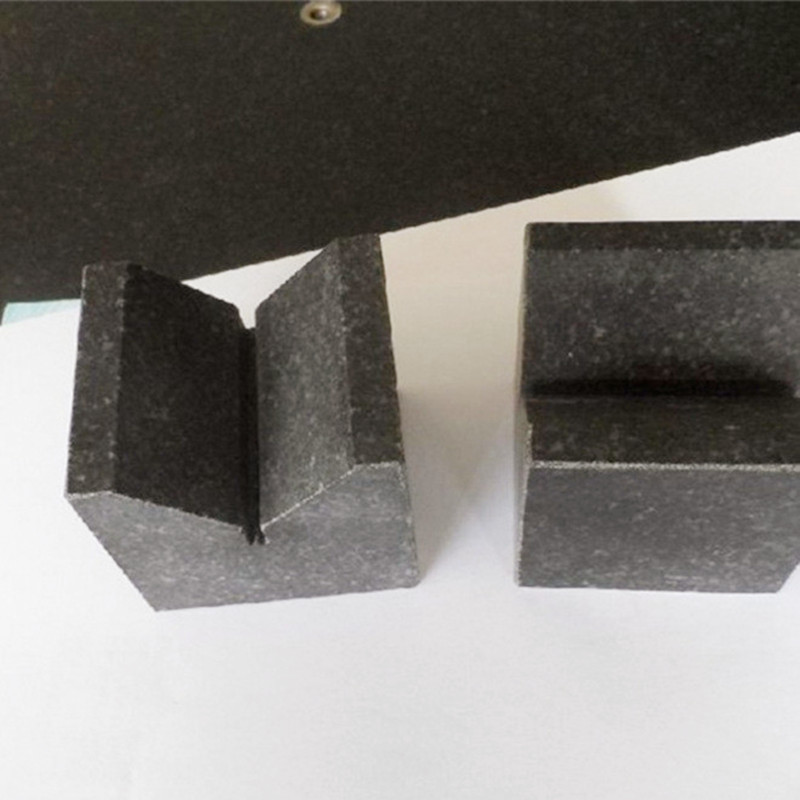
The Importance of Surface Plates in Precision Engineering In the realm of precision engineering and manufacturing, surface plates play a pivotal role in ensuring accuracy and reliability. These flat, stable surfaces serve as foundational tools for measuring, marking, and assembling parts in various industrial settings. Whether in machine shops, quality control laboratories, or assembly lines, surface plates are integral to maintaining high standards in production processes. Understanding Surface Plates Surface plates are constructed from various materials, including granite, cast iron, and synthetic composites. The choice of material often depends on the specific requirements of the application. For instance, granite surface plates are favored for their durability, resistance to wear, and stability at different temperatures. They are less prone to warping compared to other materials, making them ideal for precision work. Types of Surface Plates There are several types of surface plates, each designed to meet specific needs. The most common include 1. Granite Surface Plates Known for their exceptional stability and hardness, granite plates are extensively used in metrology and quality assurance. They are easy to clean and require minimal maintenance, making them popular in many workshops. 2. Cast Iron Surface Plates These plates are usually heavier and more robust. They can withstand heavy usage and are often used in heavy machining environments. Cast iron surface plates often come with a lacquered finish to prevent rusting and enhance their longevity. 3. Synthetic Surface Plates Made from advanced composite materials, synthetic surface plates offer the benefits of low weight and high resistance to thermal expansion. They are particularly useful in environments where temperature fluctuations are common. Applications of Surface Plates surface plate Surface plates serve a myriad of functions across different fields 1. Inspection In quality control, surface plates provide a stable reference point for inspecting the flatness or perpendicularity of components. The precision they offer is crucial for adhering to industry standards. 2. Assembly During assembly, surface plates help ensure that components fit together correctly. Using a flat reference surface reduces the risks of misalignment, which could lead to mechanical failures. 3. Machining Setup Machinists often use surface plates to set up tools and fixtures for machining operations. A flat, level surface ensures that measurements taken during these setups are accurate, leading to superior finished products. Measuring Techniques on Surface Plates To maximize the efficiency of surface plates, operators often employ several measuring techniques, such as the use of dial indicators, height gauges, and coordinate measuring machines (CMMs). Each tool provides precise measurements that help maintain tolerances in various engineering applications. Maintenance of Surface Plates Regular maintenance is essential to keep surface plates in optimal condition. This includes routine cleaning to remove debris and prevent scratches, as well as periodic checks for flatness using precision measuring tools. Any imperfections or damage must be addressed to ensure continued accuracy. Conclusion In conclusion, surface plates are indispensable tools in the field of precision engineering. Their ability to provide a stable, accurate reference point enhances the reliability of manufacturing processes across various industries. As technology advances, the materials and designs of surface plates continue to evolve, ensuring that they meet the growing demands of precision and quality control in modern manufacturing. The emphasis on accuracy underscores the importance of investing in high-quality surface plates, as they significantly contribute to the overall efficacy of engineering operations. Whether you're in a machine shop, manufacturing plant, or quality control lab, surface plates are essential for achieving excellence in precision engineering.
-

High quality industrial productsagement

High quality industrial products
View Details -

Meet the diverse needs of customers

Meet the diverse needs of customers
View Details -

Strict quality control

Strict quality control
View Details -

Top raw materials

Top raw materials
View Details -

Trusted supplier

Trusted supplier
View Details
Our application

news and information

Wholesale Options for High-Quality Butterfly Valves at Competitive Prices
The Rise of Butterfly Valve Wholesale A Comprehensive Overview In the realm of industrial applicatio

Wood frame joinery solutions for seamless construction and structural support connections
Wood frame connectors are essential components in any wooden structure, providing stability and supp
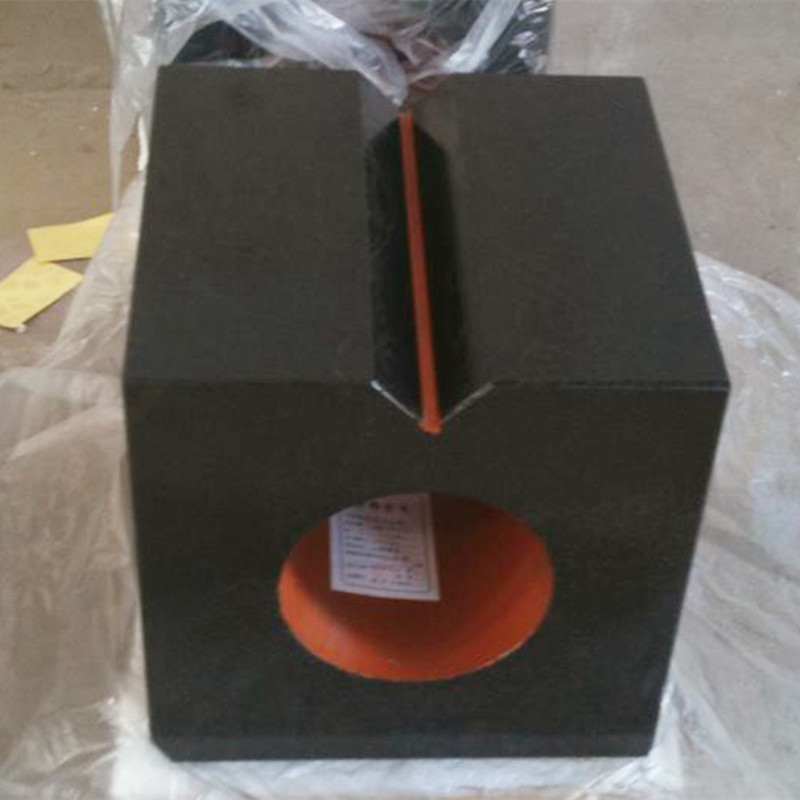
Water Valve Emergency Shutoff Procedure for Residential Systems
water valve shut off .
 English